Learn About water heater services
Learn About water heater services
Blog Article
Important Water Line Services: Why You Need to Call a Skilled Tradesperson Today
In any home, plumbing issues can occur without warning, triggering substantial disruptions. Situations involving plugged drains or water-leaking pipes typically require more than self-help fixes. Reaching out to a certified plumber not only remedies immediate problems but also initiates the framework for ongoing maintenance. Becoming aware of the primary services on offer can provide homeowners to make better decisions. The issue persists: what are the fundamental plumbing services that every homeowner should learn about?
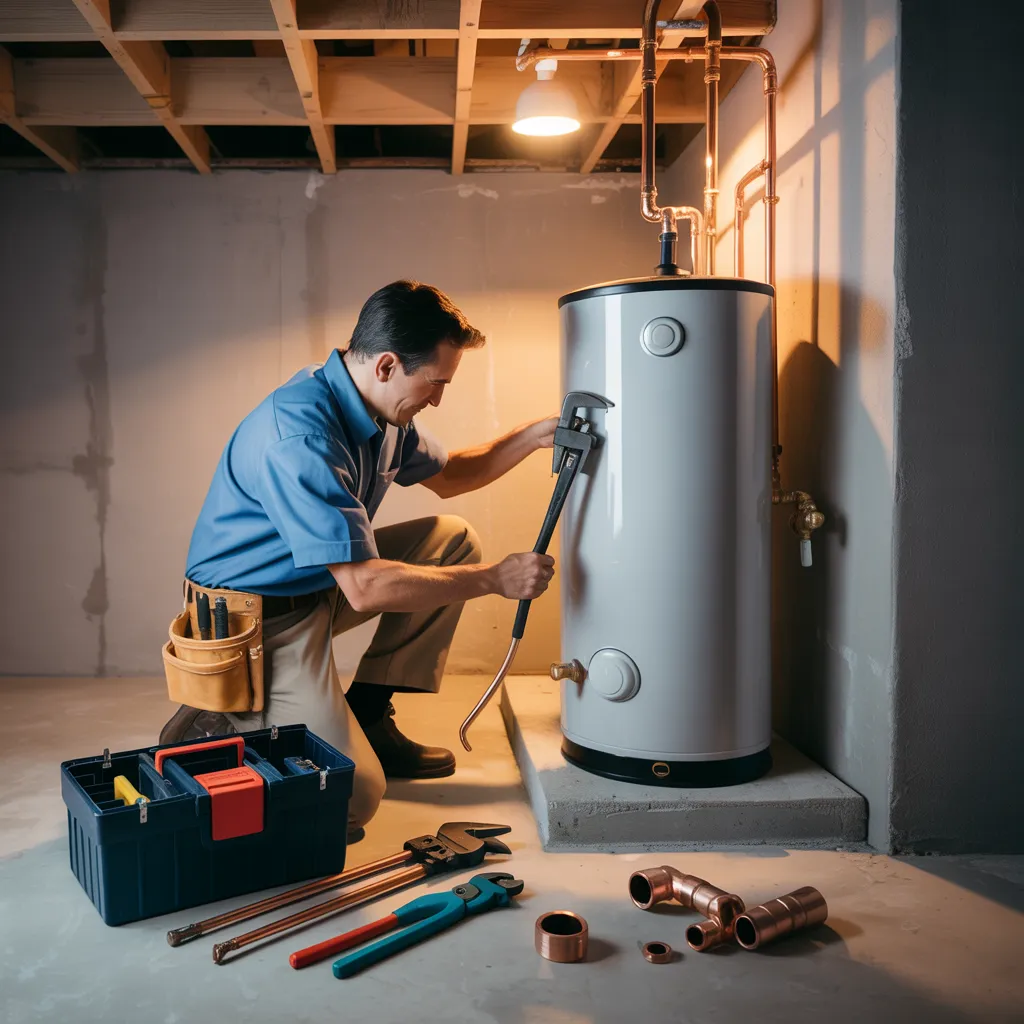
Top Pipe Problems and How to Repair Them
When homeowners encounter plumbing issues, they commonly confront common problems that demand prompt attention. Clogged drains are one of the most frequent concerns, often caused by the accumulation of explore the details grease, hair, and debris.
Homeowners might temporarily alleviate this by using a plunger or drain auger, but persistent clogs typically necessitate professional assistance.
Leaking faucets are another widespread concern, resulting in water waste and elevated utility bills. A basic change of washers or O-rings can often resolve this problem.
Moreover, continuously running toilets can consume considerable water, typically due to a faulty flapper or fill valve. House owners may endeavor to fix this by adjusting or replacing parts on their own.
To summarize, burst pipes, commonly originating from icy conditions, require immediate professional intervention to circumvent considerable water loss.
Understanding these everyday plumbing problems assists property owners in obtaining opportune solutions and care for their home's plumbing network properly.
Regular Upkeep Relevance
Regular work is imperative for keeping the service life and efficiency of a home's water system. Frequent inspections can recognize potential issues before they increase, saving homeowners from costly repairs.
Elementary duties, such as looking for leaks, scrubbing faucets, and checking water heaters, can greatly enhance system operation. Additionally, routine maintenance helps to maintain water standards, as sediment buildup in pipes can result in contamination.
Homeowners should also think about arranging expert pipe maintenance to avoid blockages. By committing to routine maintenance, homeowners not only guarantee their plumbing operates smoothly but also enhance the overall value of their property.
Taking a proactive approach toward plumbing maintenance in the end results in a anxiety-free living environment.
Critical Pipe Work Options
Dealing with a plumbing emergency can be overwhelming for any property owner, making it essential to know important resources that can offer immediate relief.
Emergency plumbing solutions include rapid response teams on call 24/7, able to handle issues like ruptured pipes, severe leaks, or toilet overflow. These professionals can quickly assess the situation and apply temporary fixes to prevent additional harm.
In addition, services frequently cover drain cleaning, water heater repairs, and sewer backups. Homeowners should also grasp the value of turning off the main water supply during emergency situations.
Ultimately, gaining access to emergency plumbing services not only cuts down on damage but also guarantees peace of mind during trying times. Preparedness in these scenarios can save both time and money.
How to Fix Regular Plumbing Problems
Plumbing problems can interfere with daily life, but many common problems have simple solutions. A clogged drain can often be resolved with a plunger or a combination of baking soda and vinegar. This method helps break down buildup without strong chemical cleaners.
Leaky faucets, yet another common problem, may only need a washer replacement; cutting off the water and unscrewing the faucet enables easy entry to the inner workings.
To correct toilets running excessively, adjusting the float or swapping out the flapper can maintain normal function. For low water pressure, checking aerators or showerheads for obstructions is an effective first step.
Finally, property owners can often address small leaking pipes with epoxy putty or tape as a temporary fix. These simple approaches empower individuals to manage routine plumbing issues effectively, fostering a sense of self-sufficiency. However, persistent issues may warrant further investigation.
When do you need to contact a certified plumber?
What approach can individuals use to figure out when a plumber's expertise are required? Recognizing tell-tale signs can support homeowners in their decision.
Persistent drips that fail to react to temporary fixes indicate a more serious underlying issue. Clogged drains that withstand routine cleaning methods may need professional intervention to avoid significant harm.
In addition, if a homeowner encounters low water pressure or colored water, these may signal plumbing defects that should not be overlooked.
Serious issues such as sewer line reversals or considerable water damage compel urgent professional help to reduce risks.
Property owners should also assess the age and condition of their water pipe networks; outdated or worn pipes often result in costly repairs if not addressed timely.
When all is said and done, when in doubt, talking to a qualified plumber can preserve time, money, and extra problems.
How Preventive Care Preserves Your Money and Minimizes Hassle
Investing in preventive measures can greatly reduce the odds of costly repairs and unexpected crises. Regular inspections and maintenance of plumbing systems can uncover small defects before they mushroom into serious troubles. For example, small leaks, corroded pipes, or clogged drains can be resolved quickly, saving homeowners from substantial repair charges later.
Furthermore, effective preventive solutions enhance the general efficiency of pipe networks. By ensuring that pipes and fixtures are in top shape, homeowners can sidestep the extra expenses connected to elevated water costs caused by leaks or inefficiencies.
In addition, preventative inspection sustains property value. A adequately maintained plumbing system is compelling to potential buyers and can stave off future disputes or negotiations related to repairs.
Ultimately, putting money toward preventive care not only safeguards finances but also provides tranquility, making it a wise choice for homeowners looking to prevent hassle.
Why Frequent Plumbing Check-Ups Play a Key Role
Regular plumbing inspections play an significant role in maintaining a home's infrastructure. These inspections allow experts to detect potential issues before they escalate into costly repairs. By addressing problems such as leaks, clogs, or aging pipes early, homeowners can prevent extensive damage to their property and ensure a secure living environment.
Moreover, routine check-ups boost the overall efficiency of plumbing systems. They can detect inefficiencies that cause increased water bills, helping homeowners to make necessary adjustments.
Regular upkeep also extends the operational life of plumbing fixtures and appliances, encouraging enduring financial gains.
Moreover, a well-maintained plumbing system enhances home value, making it more appealing to potential buyers.
In the end, making plumbing check-ups a priority is important for preserving a home's performance and durability, giving peace of mind to homeowners anxious about sudden plumbing problems.
Beginning Evaluation Process
When a plumbing service call is initiated, the technician comes prepared to assess the situation methodically. The process begins with a thorough evaluation of the premises, often proceeding with a inquiry about the reported issues.
The technician then assesses plumbing fixtures and parts that are visible, such as pipes, fixtures, and appliances, looking for marks of wear or damage. They may also utilize diagnostic tools to detect concealed problems that are not immediately apparent.
During this initial inspection, the technician takes detailed notes and photographs to record results. This extensive assessment helps in forming an precise assessment and establishes the foundation for any necessary repairs.
Ultimately, this systematic method ensures that no aspect of the plumbing infrastructure is missed, facilitating efficient results.
Overview of Service Completion
Upon spotting and fixing standard plumbing concerns, the technician will proceed with the service completion process.
This phase involves a detailed review of the work performed to confirm quality and compliance with safety standards. The technician will explain the repair work and any preventive strategies occupants can take to elude future problems.
A comprehensive invoice will be provided, showing the services rendered and associated costs. Payment options will be reviewed, enabling clients to choose a method that suits them best.
Finally, the specialist will clean the workspace, leaving it tidy and verifying that all tools and materials are taken away.
Content clients should anticipate a follow-up call or email to confirm everything is functioning as intended after the work.
Common Questions That Are Often Asked
How Do I Choose the Right Plumber for My Requirements?
To choose the perfect plumber, one should examine qualifications, check customer reviews, compare quotes, and confirm appropriate registration and insurance. Personal recommendations can also deliver useful details into reliability and standard of work.
What Training Should a Professional Plumber Exhibit?
A qualified plumber should have appropriate credentials, extensive training, and expertise in plumbing systems. They should also be insured and licensed, showing their adherence to industry standards and guaranteeing quality service for different plumbing requirements.
Can You Get Emergency Plumbing Services 24/7?
Emergency plumbing solutions are indeed offered 24/7. Experts in this industry prioritize rapid response to pressing problems, ensuring that customers get timely assistance whenever plumbing emergencies arise, no matter the hour or day.
What Steps Can I Take to Minimize Water System Troubles in Older Homes?
Preventing plumbing problems in older homes requires frequent checks, consistent upkeep, and timely repairs. Modernizing outdated fixtures and maintaining proper drainage can also markedly reduce the risk of future plumbing complications.
What pipe apparatus ought to I keep at Home?
A homeowner should have necessary plumbing tools, such as a plunger, pipe-turning wrench, adjustable wrench, sink wrench, measuring tape, and a collection of screwdrivers. These tools offer a basic foundation for addressing small plumbing problems efficiently.
Report this page